A quiet guide
Abuse is rarely loud.
Learning to see it is the first step.
This page explains what domestic abuse looks like, why the common myths about it are wrong, and where to find real support, for yourself or someone you love.
What it means
Defining domestic violence
Domestic violence, also called intimate partner violence, is any behaviour within an intimate relationship that causes physical, psychological, or sexual harm to those in the relationship, including acts of physical aggression, sexual coercion, psychological abuse, and controlling behaviours.
The scale of it
This is far more common than most people realize
Domestic abuse cuts across every income level, culture, age group, and gender, in Nigeria and worldwide.
The pattern
The cycle of abuse
Abuse often follows a repeating cycle. Understanding it helps explain why leaving is so difficult. The "good times" are part of the pattern, not proof that things are fine.
Tension Building
Walking on eggshells. Communication breaks down, minor incidents create dread. The victim feels constant anxiety.
The Incident
An explosion of abuse: verbal, physical, emotional, or sexual. The abuser acts on the built up tension.
Calm
Things feel normal. The abuse is minimized or denied. Then, inevitably, tension begins to build again.
Reconciliation
Apologies, gifts, promises. "It will never happen again." Hope returns and the victim may withdraw complaints.
Each loop reinforces the abuser's control. The "good phases" are what keep the victim hoping, not evidence of change.
Recognizing it
Abuse takes more forms than physical violence
Most abusive relationships involve a pattern of control, not a single event. These are the most common forms it takes.
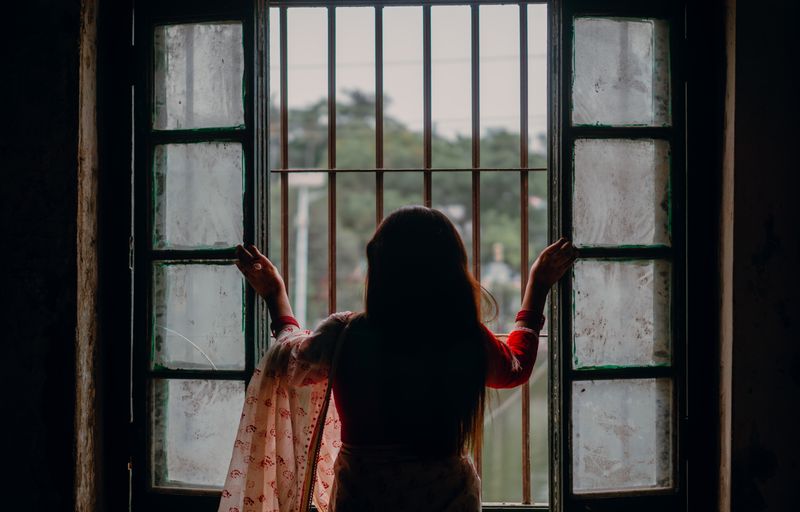 Physical
 harm
Hitting, restraining, choking, or any use of force meant to hurt, intimidate, or control.
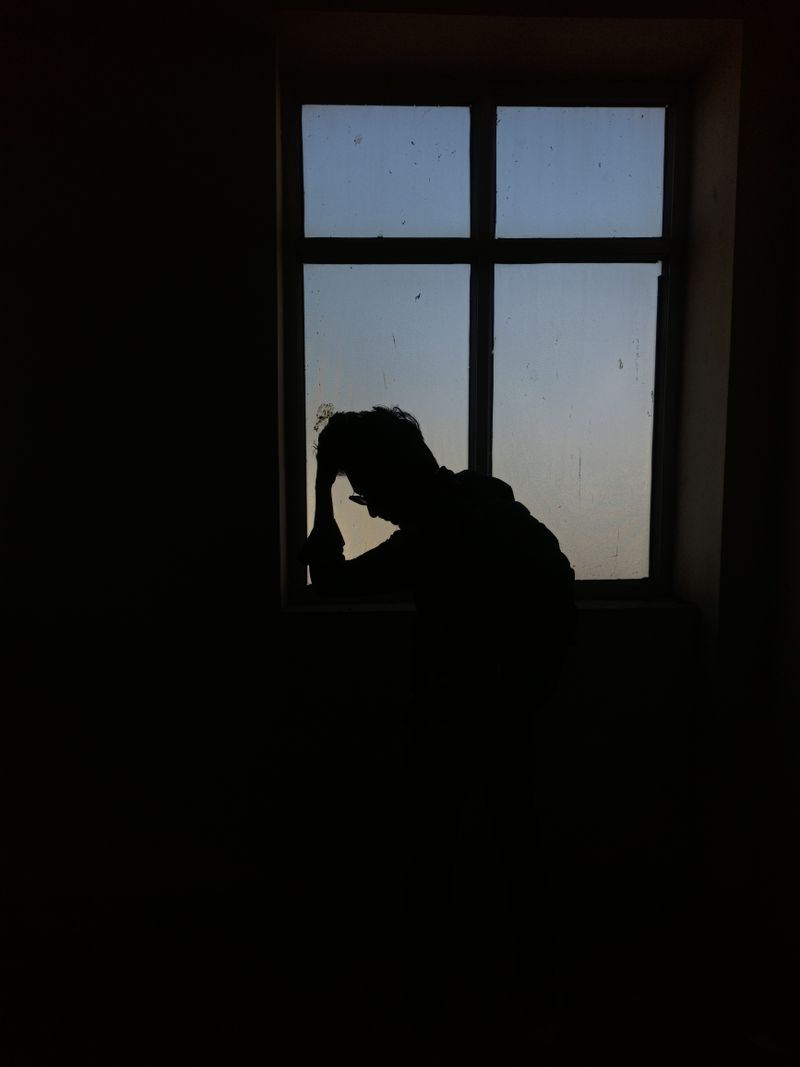 Verbal
 & emotional abuse
Constant criticism, shouting, insults, threats, or blame that erodes someone's sense of self over time.
Financial control
Restricting access to money, sabotaging work or school, or forcing dependence to limit someone's options.
Technological monitoring
Tracking a partner's location, reading their messages, or controlling who they can contact.
Coercive control
An ongoing pattern of isolation, surveillance, and rules that erode a partner's independence over time.
 Sexual
 coercion
Pressuring, guilting, or forcing a partner into any sexual activity they haven't freely agreed to.
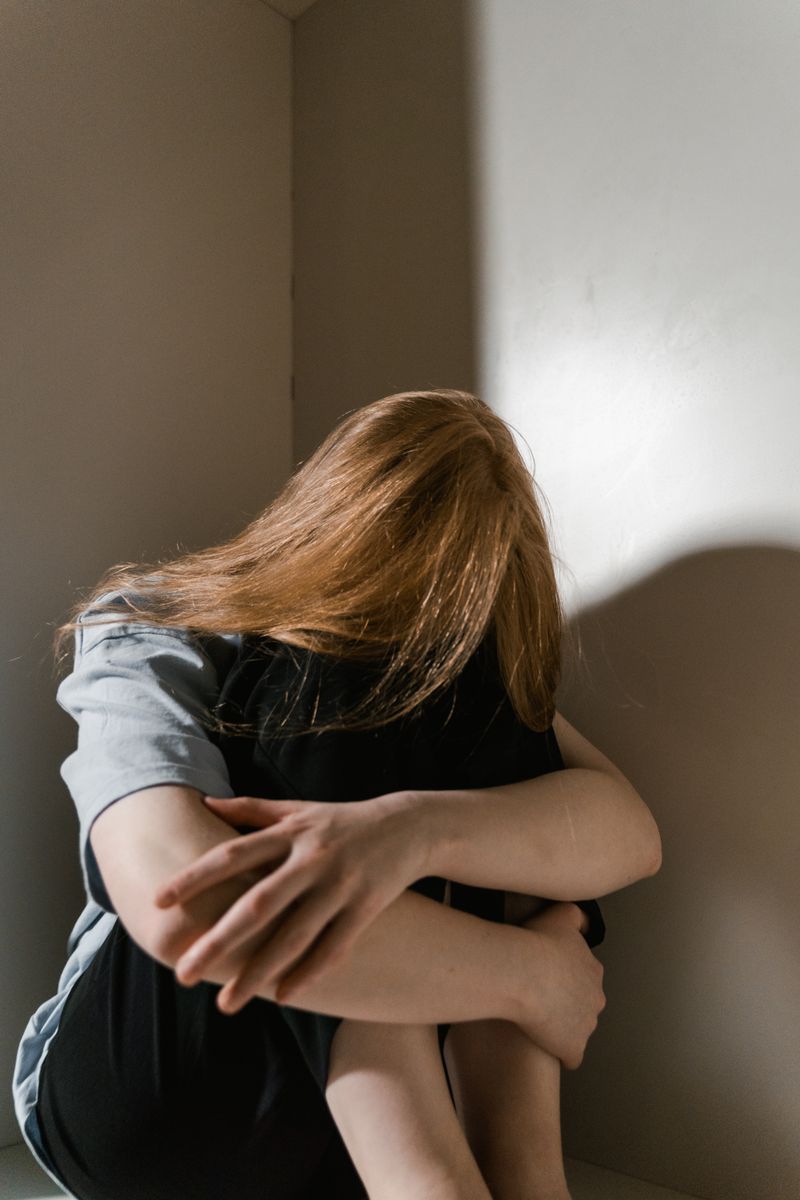 Neglect
Withholding basic care, attention, or affection as a way to punish, control, or diminish someone.
If you are in danger right now
What to do in an emergency
If you or someone else is in immediate physical danger, act now. You do not need permission or proof.
Call for help
Dial 112 (national emergency) or 0800 72 73 2255 (toll free). If you cannot speak, leave the line open so they can hear what is happening.
Get to safety
Move to a room with an exit (not the kitchen or bathroom). Avoid rooms where weapons are stored. If possible, leave the house and go to a neighbor or public place.
Tell someone you trust
Call a family member, friend, or neighbor. Let them know where you are and what is happening. You do not have to handle this alone.
Go to a hospital or police station
If you are injured, go to the nearest hospital. Ask for a medical report. File a report at the nearest police station or NAPTIP office when you can.
Common misunderstandings
Myths that keep people from getting help
Tap any statement to see why it doesn't hold up.
A private moment
Could this be happening to you?
Answer honestly. No one else can see this. Nothing is saved or sent. This is not a diagnosis, just a gentle check in.
Do you feel like you're "walking on eggshells" to avoid upsetting your partner?
Does your partner control who you see, where you go, or what you spend?
Do you feel afraid of your partner's reactions?
Has your partner belittled, humiliated, or threatened you, in private or in front of others?
Do you feel isolated from friends, family, or support systems?
After a conflict, does your partner minimize what happened or blame you?
This is not a clinical assessment. If any of this resonates, consider reaching out to a helpline below, even just to talk.
Take a moment
Breathe with me
Reading about abuse can bring up a lot. If you need a pause, try this simple breathing exercise. No one can see you doing this.
A reminder for you
You are not alone
If someone you know is going through this
How to help without taking over
- 01Believe them, without conditions. The hardest part is often being believed. You don't need proof to offer support.
- 02Let them set the pace. Avoid ultimatums like "leave or I'm done helping." That pressure can push them back toward the abuser and away from you.
- 03Help them build a private plan. A safe way to save money, documents, or contacts that their partner can't access or monitor.
- 04Stay reachable. Isolation is often part of the abuse. Keep the door open even if they're not ready to act yet.
- 05Point them toward professionals. Hotlines and local advocates are trained for this in ways friends and family, however caring, usually aren't.
Preparing quietly
Building a safety plan
A safety plan is a private, practical set of steps you can prepare in advance. You do not have to act on it today. Having it ready can save your life.
Save money secretly
Keep small amounts of cash in a safe place, or open a bank account your partner does not know about.
Gather important documents
ID cards, birth certificates, marriage certificate, children's school records. Keep copies with someone you trust.
Keep a charged phone
Have emergency numbers saved. If possible, keep a spare phone or SIM card hidden.
Identify a safe place
Know where you can go at short notice: a relative, friend, shelter, or place of worship.
Agree on a code word
Pick a word or phrase to signal a trusted person that you need help, without the abuser knowing.
Plan for your children
Teach them how to call 112. Identify a safe neighbor they can run to. Reassure them it is not their job to protect you.
Know your rights
The law is on your side
Nigeria has laws that protect survivors of domestic violence. You have the right to be safe.
Violence Against Persons (Prohibition) Act, 2015 (VAPP Act)
This federal law criminalizes all forms of violence: physical, sexual, psychological, and economic abuse within relationships. It provides for protection orders, compensation for survivors, and penalties of up to life imprisonment for offenders.
Key protections under the Act:
• You can apply for a protection order at any High Court to stop the abuser from contacting or approaching you.
• The law covers all relationships: marriage, cohabitation, dating, and family.
• Emotional and economic abuse are recognized as criminal offenses, not just physical violence.
• Reporting can be done to the police, NAPTIP, or the Ministry of Women Affairs.
Additionally, the Child Rights Act (2003) protects children from all forms of abuse, and many states have domestic violence response teams (like Lagos DSVRT) that provide immediate support.
The unseen victims
How abuse affects children
Children who witness domestic violence are deeply affected, even if they are never physically harmed. They see, hear, and feel more than adults realize.
Emotional impact
Anxiety, nightmares, bedwetting, withdrawal, or aggression. Children often blame themselves.
Development
Difficulty concentrating in school, regression in milestones, and trouble forming healthy relationships later.
Cycle risk
Without support, children who grow up in abusive homes are more likely to experience or perpetrate abuse as adults.
Hope and healing
With safety, counseling, and a stable caregiver, children can and do recover fully. Early support makes a lasting difference.
Get help now
Support is available, free, and confidential
Advocates are trained to listen without judgment and won't take any action without your consent.
Federal toll free line (Nigeria)
For violence against women and girls, nationwide, 24/7.
0800 72 73 2255NAPTIP short code
National Agency for the Prohibition of Trafficking in Persons, also handles gender based violence reports.
627Outside Nigeria, or looking for a helpline closer to home, findahelpline.com lists free, confidential helplines by country.